
Two new publications from the EU Rights and Brexit Hub Team
Two new papers have been published by the public policy division of the EU Rights and Brexit Hub exploring how the centralised nature of the British state undermines the ability for local actors to guarantee the rights of EU citizens and the limited pathways to parliamentary representation available to EU citizens. In both cases finding that there is likely to be a long term need for advocacy groups to support the legal and political rights of EU citizens in the UK.
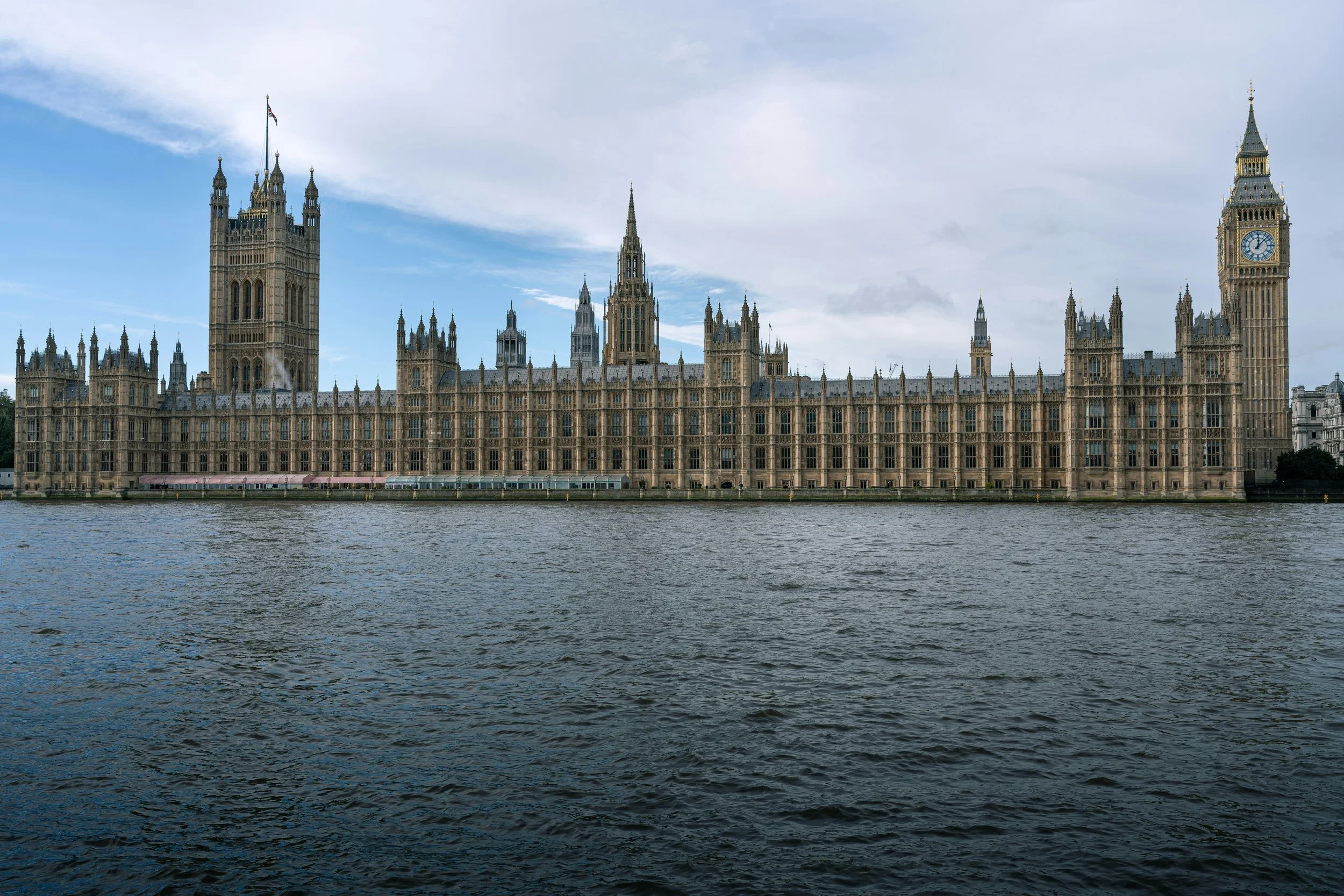
The UK Parliament
Professor Simon Parker’s paper, ‘UK immigration policy after Brexit: the EU settlement scheme, citizens’ rights and the rise of judicialised governance’ was published in the Journal of Ethnic and Migration Studies. It draws on documentary analysis and interviews with key stakeholders to investigate the development of UK immigration policy after Brexit with respect to EU/EEA nationals. He argues that while the command powers of the Home Secretary have been considerably strengthened in relation to the immigration control of EU nationals, following the adoption of the EU Withdrawal Agreement, the retained and newly conferred rights of previously resident EU nationals have become a terrain of judicialised contestation between the UK government, the EU and citizens’ rights advocacy groups and bodies. At the same time, in the absence of effective parliamentary oversight, the implementation of Withdrawal Agreement law has been left to local authorities, public services and non-governmental organisations which often lack the knowledge and expertise to apply the case law appropriately or to challenge unlawful decision-making.
The paper by John Evemy and Grace Cooper ‘Representation of the unenfranchised: The parliamentary representation of EU citizens in the UK after Brexit’ in Parliamentary Affairs on the 6th July 2026. Their paper explores the representation of EU citizens in the UK parliament within the context of parliamentary democracies increasingly characterised by diverse constituencies and high levels of net migration. With the rise of anti-migrant sentiment, they question how migrant communities can secure representation, despite their limited voting rights - a question which has become increasingly important for representation scholars. They use the case study of EU citizens in the UK after 2019 to explore three different channels for unenfranchised migrants to secure representation—direct representation, mediated selection, and surrogate representation. Drawing on thirty-one interviews with MPs and their staff, combined with statistical analysis of Written Parliamentary Questions in the 2019–2024 parliament, they conclude that, while voting rights are preferable, unenfranchised groups are still able to access some form of parliamentary representation. MPs are both directly responsive to EU constituents’ interests in their behaviour, and the presence of EU citizens increases the likelihood of voters selecting pro-EU candidates. However, most of the representative activity comes from MPs who are already engaged in parliamentary policy networks on immigration and migrant rights.
This work is complemented and situated in the many significant publications from the legal side of the hub over the last 4 years. Particularly notable is Professor O’Briens and Dr Alice Welsh’s recent work in the Journal of Immigration, Asylum and Nationality Law titled "Side-stepping international law on the sly: The secret severing of the EU Settlement Scheme from the Withdrawal Agreement" which focuses on the issues of severing the domesticc EUSS status with residence rights in the Withdrawal Agreement.